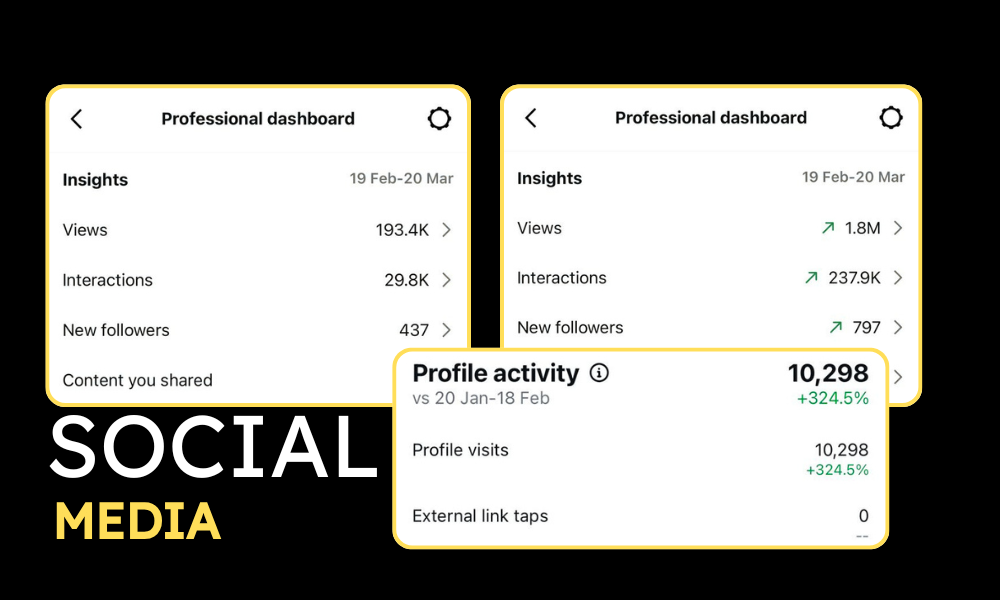

If you run a small business, you’ve probably heard some version of this: “SEO takes months, costs thousands, and only big companies can really win at it.” At ByteCraftNova, we’ve worked with dozens of small businesses who believed exactly that right up until they started ranking on page one with a fraction of the budget they assumed they’d need.
Here’s the truth: small business SEO on a budget isn’t about doing less. It’s about doing the right things, in the right order, without wasting money on tactics that don’t move the needle. This guide walks through exactly how to do that.
Why Small Businesses Think SEO Is Expensive (and Why That’s a Myth)
Most small business owners get their idea of “SEO cost” from agencies quoting $2,000–$5,000 a month, or from horror stories about six-figure link-building campaigns. That pricing exists but it’s built for companies competing in crowded, national markets.
A local bakery, a plumber, or a boutique consulting firm isn’t fighting for the same keywords as a national e-commerce brand. You’re fighting for local, specific, high-intent searches and those are far cheaper to win. The myth that SEO requires a huge budget mostly comes from applying big-company strategy to a small-business problem.
The real cost driver in SEO isn’t tools or ad spend it’s time and focus. If you know where to put your energy, you can get meaningful results on a budget that would barely cover one month of paid ads.
The 80/20 of SEO: What Actually Moves the Needle
Not every SEO tactic deserves your limited time. Based on what we’ve seen work repeatedly for small business clients, about 80% of your results will come from just a few areas:
- Local SEO (Google Business Profile, reviews, local citations)
- On-page SEO basics (titles, headers, internal links)
- A handful of well-targeted content pieces not dozens of thin blog posts
Everything else advanced technical SEO, large-scale link building, extensive content calendars matters more once you’ve maxed out these fundamentals. For a small business, that’s usually a problem for next year, not this month.
Step 1: Local SEO — Your Highest ROI, Lowest-Cost Lever
If you do only one thing from this guide, make it this. Local SEO for small business is the single most cost-effective strategy available, because it targets people who are ready to buy, nearby, right now. Unlike national rankings, local rankings don’t require you to out-spend big brands they require you to be accurate, consistent, and responsive.
Google Business Profile (GBP)
Claim it, verify it, and fill out every section hours, categories, services, photos, and your business description. Add photos regularly; profiles with fresh images tend to get more clicks. An incomplete profile is one of the most common, and easily fixed, reasons small businesses miss out on local visibility. This single step, done properly, often produces the fastest visible movement of anything in this guide.
Reviews
Ask every happy customer for a review right after a good interaction, while it’s still fresh. Respond to all of them, good or bad; a thoughtful response to a negative review often builds more trust than five generic five-star ratings. Review volume, review recency, and response rate are all strong local ranking signals, and none of them cost money just consistency.
Local Citations
Make sure your business name, address, and phone number (NAP) are consistent across directories like Yelp, Bing Places, and industry-specific listings. Inconsistent NAP data even something as small as “St.” vs “Street” quietly confuses search engines and can hold back your rankings without any obvious warning sign.
Local Keywords
Instead of targeting broad terms like “SEO services,” target phrases like “affordable SEO services in [your city]” or “local SEO services for small business.” These are lower competition and far more likely to convert, because the person searching has already decided what they want they’re just deciding who to call.
Step 2: On-Page SEO Basics You Can Do Yourself
You don’t need to hire an SEO agency to fix on-page basics most of it takes an afternoon per page.
- Title tags: Include your primary keyword close to the front. Keep it under 60 characters.
- Meta descriptions: Write a compelling 150–160 character summary that includes your keyword naturally.
- Header tags (H1, H2, H3): Structure your page logically. One H1 per page, with H2s and H3s breaking down subtopics.
- Internal linking: Link your blog posts to your service pages, and your service pages to each other. This helps both users and Google understand what matters most on your site.
- Image alt text and file size: Compress images and describe them accurately this helps both SEO and page speed.
- Mobile-friendliness: With mobile-first indexing, a site that doesn’t work well on phones will struggle to rank, regardless of everything else you do right.
None of this requires paid software. It requires attention to detail.
Step 3: Content That Ranks Without Hiring Writers
You already have the raw material for great content: the questions your customers ask you every week. Turn those into blog posts, FAQ pages, and service page sections.
Focus on long-tail, high-intent keywords rather than broad, competitive ones. A plumbing company chasing “plumber” will lose to national directories. The same company targeting “affordable SEO for small business plumbers” or more realistically, “emergency plumber near me” and “how much does a water heater repair cost” has a real shot at ranking, because the competition is thinner and the intent is stronger.
Quality beats quantity here. One well-researched, genuinely useful page will outperform ten shallow ones, and it costs you far less time in the long run.
Step 4: Free and Low-Cost Tools That Replace Expensive Software
You don’t need an enterprise SEO stack to get started. These tools cover almost everything a small business needs:
- Google Search Console free, and tells you exactly what’s already bringing you traffic
- Google Keyword Planner free keyword ideas and rough search volume
- Google Business Profile free local SEO foundation
- Ubersuggest / AnswerThePublic (free tiers) keyword and content ideas
- PageSpeed Insights free technical checks for site speed and mobile usability
Paid tools like Ahrefs or SEMrush become useful once you’re ready to scale but they’re not where a budget-conscious small business should start.
Common Budget SEO Mistakes That Waste Money
We’ve seen small businesses lose money chasing shortcuts that actively hurt them:
- Buying cheap backlinks from link farms this can trigger penalties instead of rankings
- Keyword stuffing cramming keywords unnaturally makes content worse for readers and for Google
- Ignoring mobile experience a slow, clunky mobile site undoes everything else
- Publishing content just to “stay active” thin, generic posts rarely rank and rarely convert
- Chasing high-volume keywords with no realistic chance of ranking a small business is usually better off winning a smaller, specific search than losing a broad one
Avoiding these mistakes often saves more money than any single “growth hack” earns.
A Realistic 90-Day SEO Plan for Small Businesses
You don’t need a large team to follow this most of it can be done by one person, a few hours a week.
Days 1–30 Foundation: Claim and fully optimize your Google Business Profile. Fix on-page basics (titles, meta descriptions, headers) on your top 5–10 pages. Set up Google Search Console.
Days 31–60 Momentum: Start collecting reviews consistently. Publish 2–4 well-researched content pieces targeting long-tail, local keywords. Fix glaring technical issues (site speed, mobile usability).
Days 61–90 Compounding: Build internal linking across your site. Keep publishing consistently. Track which pages and keywords are gaining traction in Search Console, and double down on what’s working.
What to Expect at Each Stage
In the first 30 days, don’t expect ranking movement yet this phase is about fixing the foundation so later work actually counts. By day 60, you should start seeing early signals: more Google Business Profile views, a few new reviews, maybe a couple of keywords creeping onto page two. By day 90, if you’ve stayed consistent, you should have measurable traffic and lead data to work with enough to know what to keep doing and what to drop.
This isn’t a plan that requires a big team or a big budget. It requires consistency, and a willingness to keep going through the quiet first 30 days before results show up.
FAQs
Can small businesses really compete in SEO without a big budget?
Yes especially in local search, where the competition is regional rather than national, and the ranking factors (Google Business Profile, reviews, on-page basics) are largely free to influence.
How long does small business SEO take to show results?
Local SEO improvements can show results in 4–8 weeks. Content and broader keyword rankings typically take 3–6 months to mature.
Is it worth hiring SEO services, or should I do it myself?
DIY works well for the fundamentals covered in this guide. Once you’ve maxed those out and want to scale further technical audits, larger content strategies, link building working with an experienced SEO agency can be worth the investment.
What’s the difference between affordable SEO services and cheap ones?
The good kind focuses your budget on what actually works local SEO, on-page fixes, targeted content. The cheap kind often cuts corners with tactics like bulk backlinks or thin content, which can hurt more than it helps.
Final Thoughts
Small business SEO on a budget isn’t a compromise it’s a strategy. By focusing on local SEO, solid on-page fundamentals, and content built around real customer questions, you can compete for the searches that actually matter to your business, without the enterprise-level spend.
If you’d rather have this handled for you, ByteCraftNova offers affordable SEO services built specifically for small businesses no bloated retainers, no generic strategies. Get in touch with our SEO team to see what a budget-friendly SEO plan could look like for your business.
Written by the SEO team at ByteCraftNova helping small businesses grow with data-driven, budget-friendly SEO strategies.